
Why multi-location approvals break at scale
Run social for a brand with 20 locations and the posting is the easy part. The approvals are what eat the week. Each location has a manager who wants eyes on their own content before it goes live, and corporate wants the brand to read the same everywhere. So you end up with 20 parallel review chains, each one a separate email thread with screenshots pasted below the fold.
Someone replies "looks good" without saying which post. A regional director forwards the thread to a franchisee who replies two days late. One location changes the promo dates, another never responds, and the scheduled batch slips. The content was ready on Monday and half of it posts the following week. Multiply that by every monthly cycle and approvals, not production, become the thing holding the calendar hostage.
What a social media approval workflow for multi-location brands needs to do
A social media approval workflow for multi-location brands is the routing system that moves each location's posts from draft to a local sign-off to a scheduled slot, without a shared inbox. It has to do four things at once.
Keep each location separate so reviewers only see their own posts. Let a local manager approve without an account, because they will not log into your tool for one post a week. Hold publishing until the required sign-off lands, so nothing goes live early by accident. And keep the brand consistent while local managers confirm the details that actually change per location, like the address, hours, and the local offer.
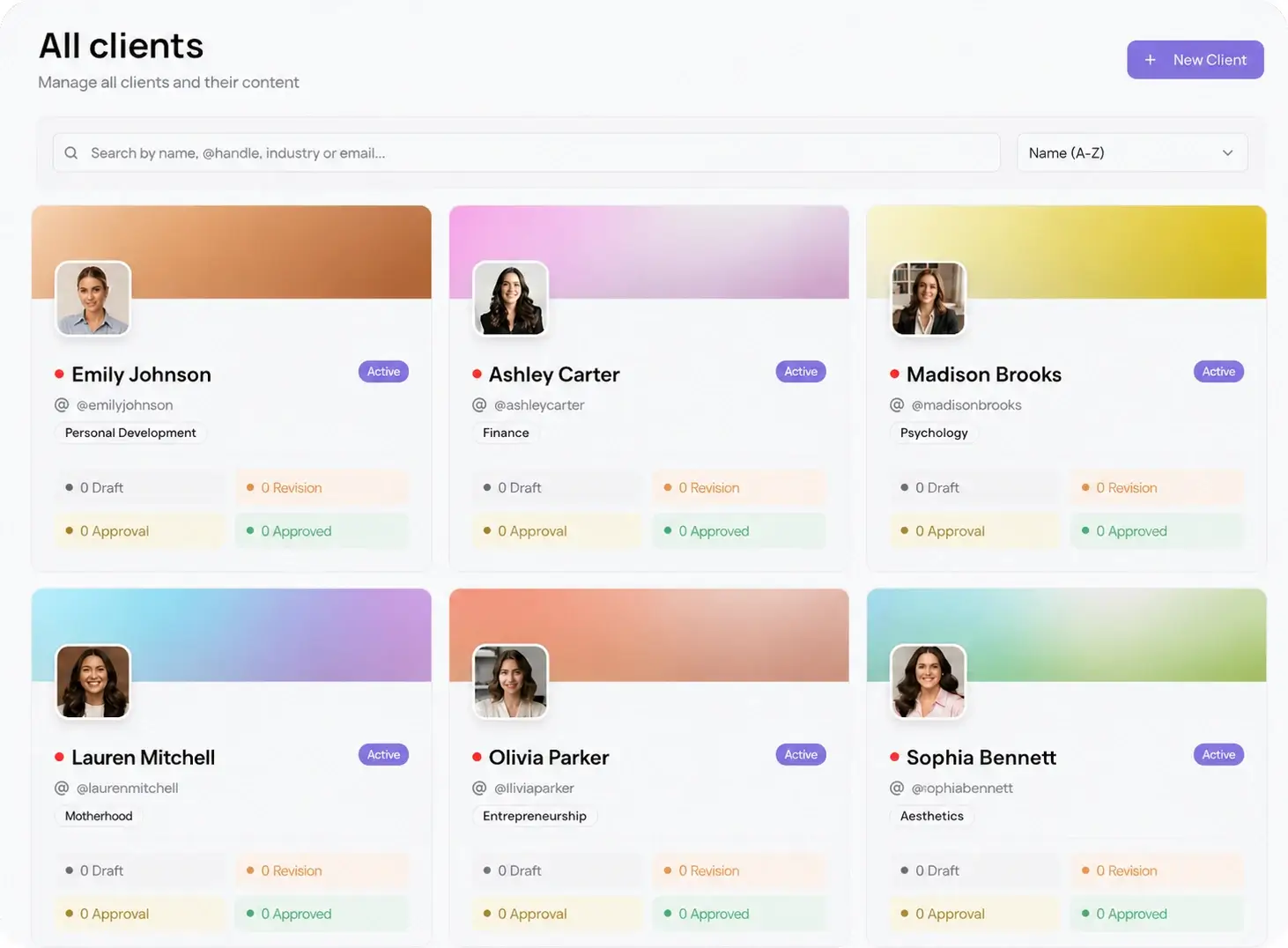
Give every location its own workspace
The first fix is isolation. Put each location in its own workspace so its calendar, its connected accounts, and its reviewers stay separate from the other 19. A manager at the downtown location should never scroll past the suburban location's posts to find theirs. With per-location workspaces, the review link for one location shows only that location's queue, which cuts the "which post do you mean" problem to zero.
Per-workspace isolation also fixes the pricing math that kills most multi-location rollouts. Tools that charge per social profile turn 20 locations across 5 networks into 100 billable profiles. Viraly Post prices per workspace, so a 20-location brand pays for 20 workspaces and connects all 10 platforms inside each one.
Route one password-less link to each location reviewer
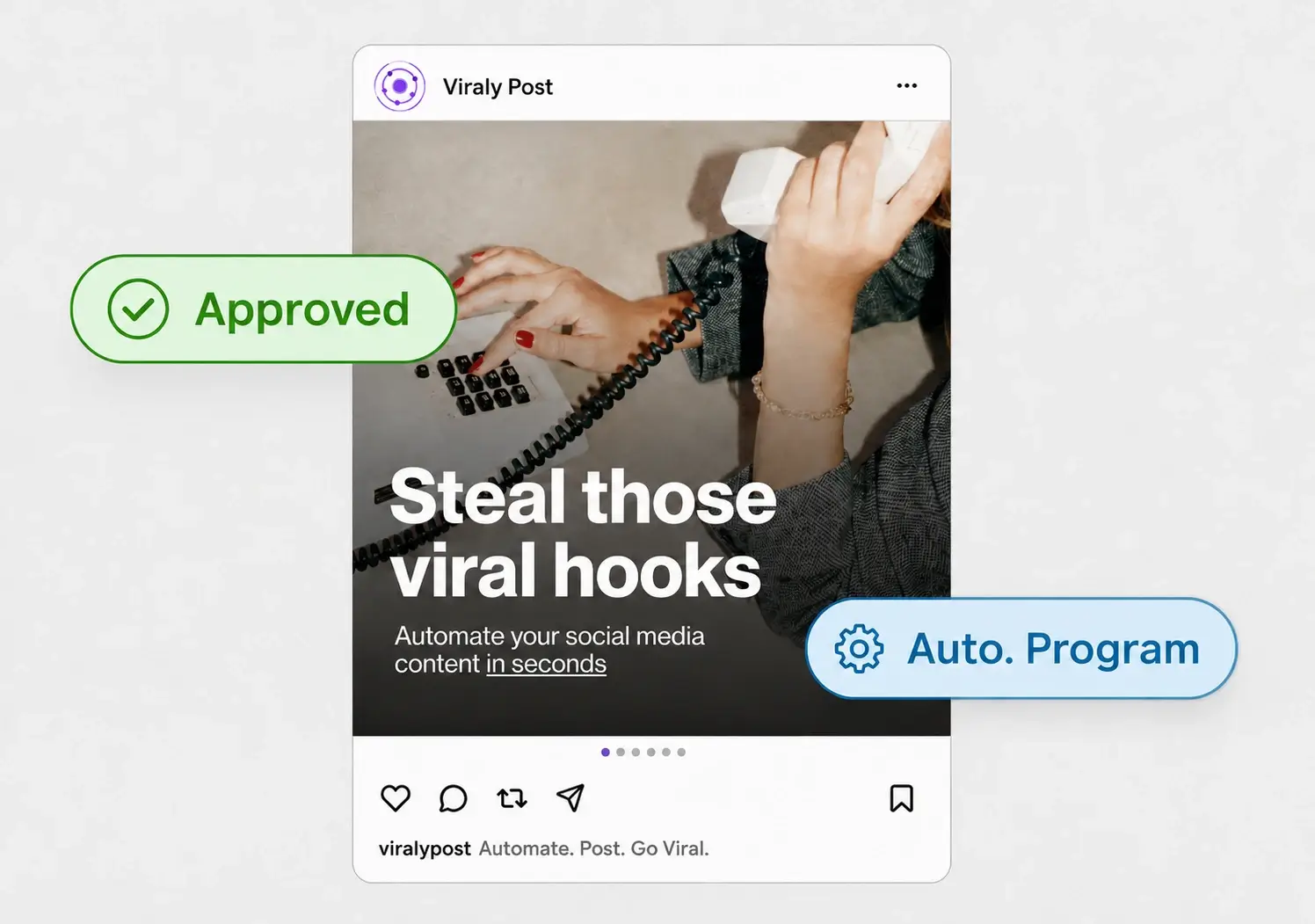
A local manager will not create an account, remember a password, or install an app to approve a few posts. Ask them to and you are back to screenshots in email. The workflow that holds up sends each reviewer one password-less approval link. They tap it, see the posts queued for their location, and approve or leave a comment on each one. No login, no seat, no onboarding call.
Because the link is per location, you can route in stages. The local manager signs off first, then a corporate brand reviewer gives the final yes on the same posts. Publishing stays locked until the last required approval lands, so a half-approved batch cannot sneak onto the calendar. Feedback lands per post instead of buried in a thread, so you know exactly what location 14 wants changed.
How to set up the workflow
Build it once and every monthly cycle runs on rails. Here is the order that works.
- Create one workspace per location and connect that location's accounts across the networks it posts on.
- Draft the month from brand-approved templates in each workspace, so the look is locked before anyone reviews.
- Set the review order: local manager first, then corporate brand sign-off where head office wants the final say.
- Send each location its password-less link. Reviewers approve or comment per post, with no account to create.
- Let approved posts auto-schedule to their slots. Publishing stays locked on anything still waiting on a sign-off.
- Track which locations are still pending from one dashboard and nudge only the stragglers, not all 20.
Keep brand voice consistent across every location
Local sign-off is not a license for 20 different brands. The point is that corporate controls the message and locations confirm the facts. Build posts from brand templates and captions in a shared content calendar, then route each location's version for review. The local manager edits the address, the hours, or the local promo, not the logo, the tone, or the layout. If you want stakeholders to see the full plan without touching it, a shared calendar link gives regional directors a read-only view of what is queued everywhere.
That split is what lets a multi-location brand scale past a handful of stores. Corporate owns the brand, locations own their details, and the approval link is where the two meet on every single post before it reaches the 10 connected platforms.